
Navi Mumbai International Airport: A New Growth Engine for Real Estate
Published on: September 16, 2026
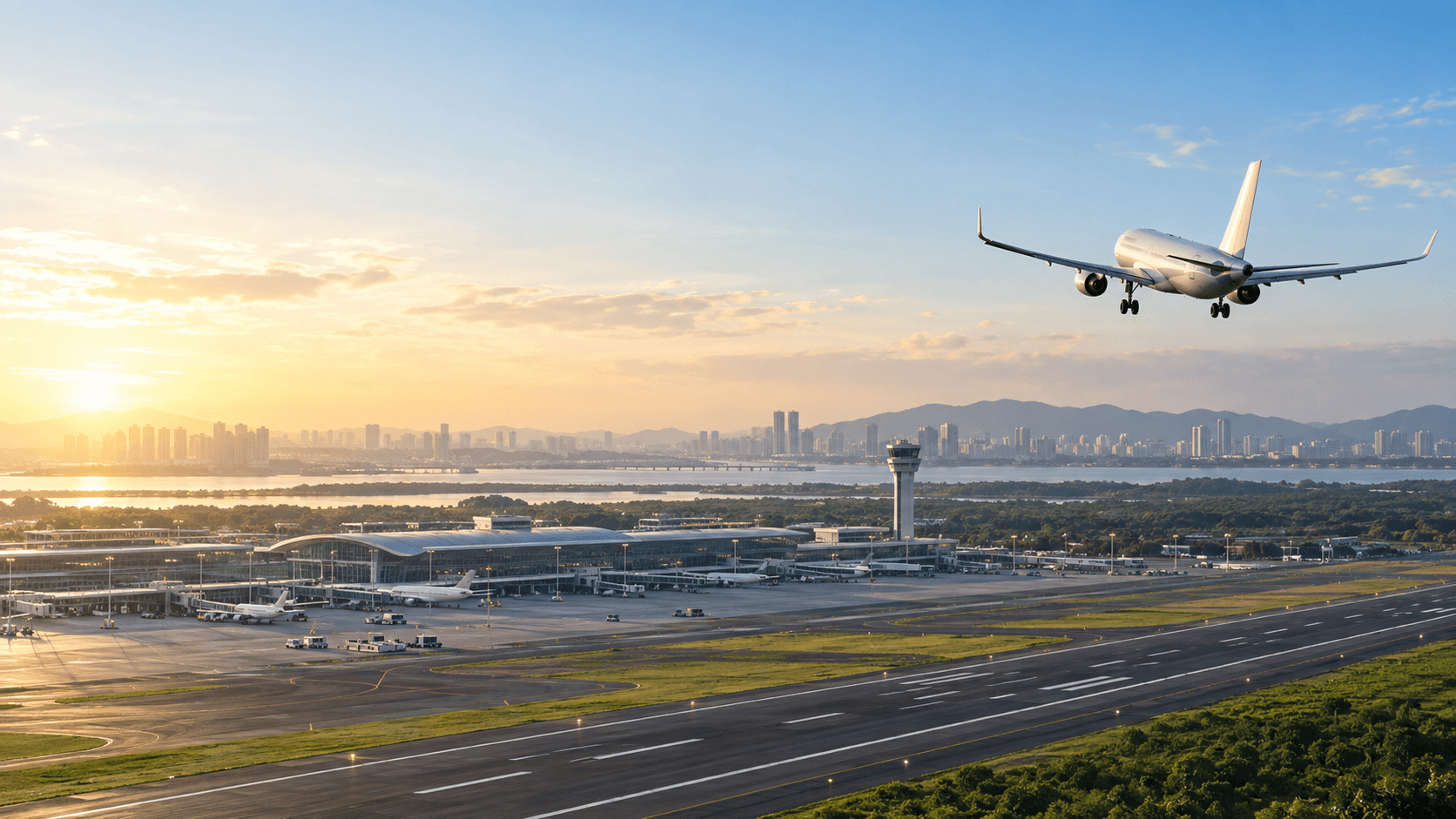
Navi Mumbai International Airport: A New Growth Engine for Real Estate
Navi Mumbai International Airport (NMIA) is set to become one of the biggest infrastructure catalysts for Navi Mumbai and the wider Mumbai Metropolitan Region. More than just an airport, it is expected to create a complete ecosystem of connectivity, employment, business, logistics and residential demand.
For homebuyers and investors, this makes the surrounding real-estate market worth watching closely.
Why NMIA matters
Mumbai’s existing airport operates under significant capacity pressure. NMIA will support the region’s growing passenger and cargo requirements, while improving air connectivity for Navi Mumbai, Raigad, Thane, Pune and nearby growth corridors.
As airport-led development gathers momentum, the impact is expected to extend well beyond aviation. Airports attract hotels, corporate offices, warehousing, logistics parks, retail, business centres and service industries. These developments create jobs—and jobs create sustained housing demand.
Better connectivity, stronger location value
NMIA is supported by several major infrastructure links, including:
- Atal Setu, improving connectivity between Mumbai and Navi Mumbai
- Mumbai–Pune Expressway
- Mumbai–Goa Highway
- Navi Mumbai Metro expansion
- Panvel railway connectivity
- Upcoming road and transport corridor improvements
This connected ecosystem is making locations around Panvel, Ulwe, Pushpak Nagar, Dronagiri, Karanjade, Palaspe–Giravale and nearby nodes increasingly important for residential and commercial development.
Employment-led real estate demand
Airport ecosystems generally create demand from professionals, aviation staff, logistics employees, hospitality teams, corporate employees and entrepreneurs. This supports multiple property segments:
- Affordable and mid-segment homes for working professionals
- Premium residences for business owners and senior professionals
- Rental homes near employment and transit hubs
- Commercial spaces, offices and retail
- Warehousing and industrial land near logistics routes
For buyers, the key advantage is not only future price appreciation—it is the possibility of a stronger end-user and rental-demand base as the region develops.
Panvel and Mumbai 3.0: The emerging growth corridor
Panvel is becoming a central point in Navi Mumbai’s next phase of development. Its position near NMIA, major highways, rail connectivity and expanding business activity gives it a strong long-term advantage.
The broader Palaspe–Giravale corridor is also gaining attention because it connects efficiently with Panvel and key infrastructure routes. As Navi Mumbai evolves toward the “Mumbai 3.0” vision, planned townships, infrastructure-led development and new economic activity can reshape the area into a major residential destination.
What investors should consider
NMIA creates opportunity, but a smart property decision should still be based on fundamentals:
- Check the project’s RERA registration and legal approvals.
- Evaluate actual road access, not only future promises.
- Choose locations with practical connectivity to Panvel, highways and employment zones.
- Compare project quality, developer track record and possession timelines.
- Consider whether the property has genuine self-use, rental or resale potential.
Airport proximity alone should not be the only reason to invest. The right property combines connectivity, legal clarity, infrastructure access and a credible developer.
The long-term opportunity
Navi Mumbai International Airport represents a major shift in the region’s growth story. It has the potential to strengthen Navi Mumbai as a global business, logistics and residential destination.
For buyers who want to be part of an infrastructure-led growth corridor, well-connected locations around Panvel and Navi Mumbai may offer meaningful long-term potential. The opportunity is not simply about owning a home near an airport—it is about participating in the rise of a new economic hub.
J Prime Buildcon
Building with Navi Mumbai’s Growth.